
Views: 0 Author: Site Editor Publish Time: 2025-10-25 Origin: Site
Ever wondered why cordless power drills have become game-changers in the DIY world? The secret lies in "brushless" technology. Understanding what "brushless" means on a drill is crucial for making informed tool choices. In this post, you'll learn how brushless technology enhances efficiency, power, and durability, transforming your drilling experience.
A brushless motor is a type of electric motor that operates without the use of carbon brushes. Unlike traditional brushed motors, which rely on brushes to transfer electrical current to the rotor, brushless motors use electronic controls to manage power delivery. This design eliminates the friction and wear caused by brushes, making the motor more efficient and durable.
Brushless motors are common in modern cordless drills and other power tools. They use magnets and coils arranged differently from brushed motors. Instead of brushes making physical contact with a commutator, brushless motors use an electronic controller to switch the current in the coils, causing the motor to spin.
A brushless motor mainly consists of three parts:
Rotor: The rotating part of the motor that holds permanent magnets. It spins to turn the drill bit or tool attachment.
Stator: The stationary component surrounding the rotor. It contains wire coils that receive electric current.
Electronic Controller: A small circuit board that controls the flow of electricity to the stator coils, switching the current to keep the rotor spinning.
The rotor’s magnets interact with the magnetic fields generated by the energized stator coils. The controller precisely times the current to these coils, creating a rotating magnetic field that turns the rotor smoothly and efficiently.
This setup removes the need for brushes and a commutator, which are present in brushed motors. It reduces mechanical wear and energy loss from friction. The electronic controller also allows the motor to adjust power output based on the task, improving efficiency and performance.
A brushless motor works differently from a brushed motor. Instead of using brushes to deliver electricity to the motor’s spinning part, it uses an electronic controller to manage power flow. Here’s how it operates:
The motor’s rotor holds permanent magnets that spin.
The stator, which is stationary, has coils of wire around the rotor.
The electronic controller sends electric current to these coils in a precise sequence.
This creates magnetic fields that push and pull the rotor magnets, causing the rotor to spin.
The controller constantly adjusts the current to keep the rotor turning smoothly and efficiently.
Because there are no brushes making physical contact, the motor avoids friction and wear. The controller also senses the load on the motor and adjusts power accordingly, which improves efficiency and performance.
| Feature | Brushless Motor | Brushed Motor |
|---|---|---|
| Power delivery | Electronic controller manages current | Brushes deliver current physically |
| Friction and wear | Minimal, no brushes | High, brushes wear out |
| Efficiency | Higher, less energy lost | Lower, energy lost as heat |
| Maintenance | Low, no brushes to replace | Higher, brushes need replacement |
| Noise | Quieter operation | Noisier due to brush friction |
| Size and weight | More compact and lighter | Larger and heavier |
| Performance adaptability | Adjusts power based on load | Constant power regardless of load |
Brushless drills use electricity more efficiently than brushed models. Without brushes rubbing against parts, less energy is wasted as heat or friction. This means the battery lasts longer on a single charge — often up to 50% more runtime. The electronic controller inside the drill adjusts power based on the task, so it only uses what it needs.
Brushless motors deliver more power and torque than brushed ones of the same size. Users often see a 15%–35% boost in performance. The electronic controller provides smoother speed control, so you get the right amount of torque for each task.
Brushless drills require less maintenance because they don’t have brushes to wear out or replace. They also run cooler, reducing heat damage and extending motor and battery life. Quieter operation improves comfort during extended use.
Tip: To maximize brushless drill battery life, match the drill’s power settings to your task instead of running it at full power all the time.
Brushless drills generally cost more than their brushed counterparts—often 30%–70% more, depending on brand and features. For occasional DIY users, the higher upfront cost may not be justified, but professionals often find the gains worthwhile.
Brushless motors are more complex due to their electronic control systems, making repairs more difficult and potentially costly. Controllers can be sensitive to moisture, dust, and impacts.
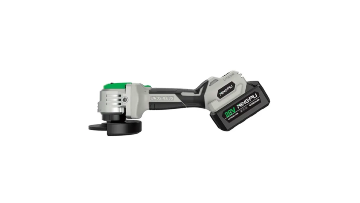
Brushless motors offer higher efficiency, better performance, and longer lifespan. Brushed motors cost less and have simpler designs, making them easier and cheaper to fix. Consider usage frequency, budget, and working environment.
DIY enthusiasts and occasional users: Brushed motors often suffice and keep costs low.
Professionals and heavy users: Brushless motors are a smart investment for power, runtime, and longevity.
Harsh environments: Brushed motors may be preferable due to simpler, rugged design.
Prioritizing size/weight: Brushless motors tend to be smaller and lighter.
Drill/Drivers
Impact Drivers
Circular Saws
Reciprocating Saws
Jigsaws
Angle Grinders
Oscillating Multi-Tools
Routers and Planers
Power Sanders and Miter Saws
Long Workdays: Longer battery life, reduced fatigue.
Heavy-Duty Projects: Extra torque and power for framing, decking, metalworking.
Precision Work: Smoother speed control and quieter operation.
Tight Spaces: More compact designs fit confined areas.
Frequent Use: Reduced maintenance and longer motor life.
Brushless motors in drills offer efficiency, power, and durability by eliminating friction from brushes. They provide longer battery life and require less maintenance. When choosing between brushless and brushed drills, consider usage frequency and environment. Brushless drills are ideal for professionals needing high performance and reliability. Yongkang Mingpu's brushless drills stand out, offering advanced technology and enhanced tool lifespan—delivering exceptional value through superior performance and reduced maintenance costs.
Q: What does "brushless" mean on a Cordless Power Drill?
A: "Brushless" refers to a motor design that uses electronic controls instead of carbon brushes, enhancing efficiency and durability in Cordless Power Drills.
Q: How does a brushless motor improve a Cordless Power Drill's performance?
A: A brushless motor offers higher efficiency, more torque, and longer battery life, making Cordless Power Drills more powerful and reliable.
Q: Why are brushless Cordless Power Drills more expensive?
A: Brushless Cordless Power Drills cost more due to advanced electronic components that enhance performance and longevity.
Q: Are brushless Cordless Power Drills better for professional use?
A: Yes, they provide improved efficiency, power, and durability, ideal for professionals using Cordless Power Drills frequently.


