
Views: 0 Author: Site Editor Publish Time: 2025-10-28 Origin: Site
Ever wondered why some power drills seem to handle tough jobs effortlessly? Cordless power drills and impact drills might look similar, but they serve different purposes. Understanding these differences can save you time and effort on your projects. In this article, you'll learn what sets cordless power drills apart from impact drills, helping you choose the right tool for your needs.
Cordless power drills are versatile handheld tools powered by rechargeable batteries. They spin drill bits or driver bits to bore holes or drive screws into various materials. Their cordless design offers freedom of movement, making them ideal for use in places without easy access to power outlets. Most cordless drills feature adjustable speed settings and torque control, allowing users to tailor the tool’s performance to the task at hand. They usually have a keyless chuck, enabling quick and easy bit changes without extra tools.
There are several types of cordless power drills catering to different needs:
| Standard Drill Drivers | These are the most common, suitable for general drilling and driving tasks. |
| Hammer Drills | Equipped with a hammering action, they drill into harder materials like concrete or masonry. |
| Right-Angle Drills | Designed for tight spaces, their chuck is at a right angle to the handle. |
| Brushless Motor Drills | These offer longer battery life, more power, and less maintenance compared to brushed motor models. |
Cordless drills offer many benefits:
Portability: No cords mean easy use anywhere.
Versatility: They can drill holes and drive screws in wood, metal, plastic, and more.
Control: Variable speed and torque settings help prevent damage to materials and fasteners.
Ease of Use: Lightweight designs reduce user fatigue.
Wide Accessory Compatibility: The chuck accepts a variety of bit shapes and sizes, from drill bits to screwdriver bits.
For example, a cordless drill is perfect for hanging shelves, assembling furniture, or drilling pilot holes for screws. Its adjustable speed lets you start slow for precision, then speed up for faster drilling.
When selecting a cordless drill, consider whether it has a brushed or brushless motor. Brushless motors provide better efficiency and longer lifespan, ideal for frequent or heavy-duty use.
Impact drills, often called impact drivers, are specialized power tools designed mainly for driving screws, bolts, and other fasteners with high torque. Unlike cordless power drills, impact drills combine rotational motion with concussive impacts. Inside, a hammer and anvil mechanism delivers quick bursts of force, allowing the tool to push screws deeper and loosen stubborn bolts more effectively.
They are usually more compact and lighter than traditional drills, making them easier to handle in tight spaces or overhead. Impact drills use a quick-release hex chuck that holds bits with a 1/4-inch hex shank securely, enabling fast bit changes. However, this chuck type limits bit compatibility compared to the three-jaw chuck on drills.
Impact drills come in several variations to suit different tasks:
Standard Impact Drivers: The most common type, perfect for driving screws and bolts quickly and efficiently.
Cordless Impact Drivers: Battery-powered for portability, often with brushless motors for improved performance and battery life.
Impact Wrenches: Larger impact tools designed for heavy-duty fastening, like automotive lug nuts.
Multi-Speed Impact Drivers: Some models offer variable speed settings, allowing better control for delicate or precise fastening tasks.
Impact drills offer several benefits that make them invaluable on job sites:
High Torque Output: They deliver powerful bursts of torque, ideal for driving large screws, lag bolts, and fastening into tough materials like hardwood or metal.
Reduced User Fatigue: The impact mechanism absorbs much of the rotational force, reducing wrist strain and making them easier to use for extended periods.
Compact and Lightweight: Their smaller size allows access to tight spots and overhead work without discomfort.
Less Bit Slippage: The quick impacts help keep the bit engaged with the screw head, lowering the chance of stripped screws.
Fast Bit Changes: The hex chuck enables quick swapping of bits, improving work efficiency.
For example, if you’re assembling a deck or installing heavy-duty fasteners in dense wood, an impact drill makes the job faster and less tiring compared to a traditional drill.
While impact drills can sometimes be used for drilling holes using special hex-shank drill bits, they generally provide a rougher finish and are less suited for precision drilling compared to cordless power drills.
Cordless power drills deliver a steady, continuous rotational force. This makes them great for drilling precise holes and driving small to medium screws. Their torque is adjustable, allowing you to control how hard the drill spins. This control helps prevent overdriving screws or damaging materials.
Impact drills, however, provide bursts of high torque using a hammering action inside the tool. This impact mechanism hits the drill bit rapidly, giving extra force to drive large screws or loosen stuck bolts. The torque is much higher than a cordless drill’s, but it comes in quick pulses rather than a smooth spin. This makes impact drills perfect for tough fastening jobs where power matters most.
Cordless drills usually have a longer body and a three-jaw chuck that holds bits of various shapes and sizes. This chuck allows you to use many types of drill bits, making the tool versatile for drilling and driving.
Impact drills are more compact and lighter. They use a quick-release hex chuck that accepts only 1/4-inch hex shank bits. This design lets you change bits fast and reach tight spaces easily. However, the bit selection is more limited than cordless drills.
Cordless power drills shine in tasks requiring precision and versatility. Use them for drilling holes in wood, metal, plastic, or drywall. They're ideal for assembling furniture, hanging shelves, and light to moderate fastening jobs. Their variable speed and torque let you work gently on delicate materials.
Impact drills excel at heavy-duty fastening. They drive long screws, lag bolts, and machine bolts quickly and with less effort. Their high torque bursts make them suitable for dense hardwood, metal, or construction projects like building decks, fences, or installing cabinets. Although impact drills can drill holes with special hex-shank bits, the finish is rougher and less precise than a cordless drill.
Tip: When working in tight or overhead spaces, choose an impact drill for its compact size and higher torque; for precise drilling or light fastening, a cordless drill offers better control and versatility.
Picking between a cordless power drill and an impact drill depends on several key factors. First, think about the type of task you’ll be tackling. Are you drilling holes or driving screws? If your project involves precise holes or light fastening, a cordless drill is usually best. It offers variable speed and torque control, which helps avoid damage to materials.
Next, consider the material. Softwoods, drywall, and plastics work well with a cordless drill. For tougher materials like hardwood, metal, or dense composites, an impact drill’s high torque and hammering action make fast work of driving large screws or bolts.
Ergonomics matter, too. Impact drills are often smaller and lighter, reducing fatigue during heavy fastening jobs or overhead work. Cordless drills tend to be bulkier but offer more versatility for varied tasks.
Lastly, think about your experience level. Cordless drills are typically easier for beginners due to their smooth operation and precise control. Impact drills require a bit more skill to manage their bursts of power without stripping screws.
Hanging Shelves, Picture Frames, or Light Fixtures: Choose a cordless drill for precise hole drilling and light screw driving.
Assembling Furniture or Installing Door Hardware: Use a cordless drill for its versatility and control.
Building Decks, Fences, or Outdoor Structures: An impact drill is ideal for driving long screws and lag bolts into tough wood.
Automotive or Mechanical Work: Impact drills excel at loosening or tightening stubborn bolts.
Working in Tight or Overhead Spaces: Opt for an impact drill’s compact size and reduced wrist strain.
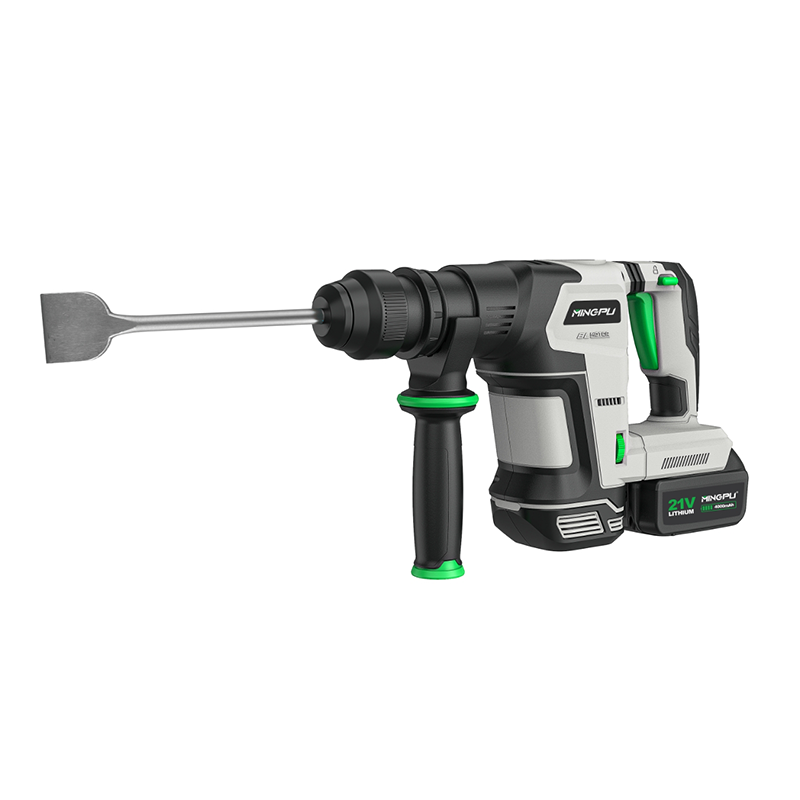
Drilling into Concrete or Masonry: Neither tool is perfect; a hammer drill is better suited here.
Cordless drills generally cost less upfront than impact drills. If your projects are occasional and light-duty, a cordless drill offers good value. For frequent, heavy fastening, investing in an impact drill pays off by saving time and reducing fatigue.
Many professionals recommend buying a combo kit that includes both tools. This approach covers a wide range of tasks without compromise. Brushless motor models cost more but last longer and perform better, making them worth the investment if you use your tools regularly.
Keeping your cordless power drill or impact drill clean is essential for long-term performance. After each use, wipe down the tool with a dry or slightly damp cloth to remove dust, dirt, and debris. Avoid using harsh chemicals or soaking the tool in water, as this can damage internal components.
Store your drills in a cool, dry place away from direct sunlight and moisture. Use the original case or a dedicated tool bag to protect them from impacts and dust accumulation. Keeping the tools organized prevents accidental damage and helps you find them quickly when needed.
The battery is the heart of cordless drills and impact drills. Proper care extends battery life and ensures reliable performance. Always use the charger recommended by the manufacturer. Avoid overcharging by removing the battery from the charger once fully charged.
Store batteries separately from the tool if you won’t use them for a while, ideally at about 40-60% charge in a cool, dry environment. Extreme temperatures, both hot and cold, can reduce battery capacity and lifespan. If batteries show signs of swelling, leakage, or fail to hold a charge, replace them promptly to avoid damage or safety hazards.
Sometimes drills may not work as expected. Here are common problems and quick fixes:
Drill won’t start: Check if the battery is charged and properly seated. Clean battery contacts if dirty.
Reduced power or speed: Battery may be low or worn out. Try a fully charged spare battery. Also, inspect the motor brushes if applicable.
Overheating: Allow the drill to cool down between heavy uses. Avoid continuous operation at maximum speed.
Chuck won’t hold bits: Clean the chuck and ensure it’s fully tightened. Lubricate if necessary.
Unusual noises or vibrations: Stop using the tool immediately. Inspect for loose parts or damage and seek professional repair if needed.
Regular inspection and maintenance keep your cordless and impact drills working safely and efficiently for years.
Versatility: Can drill holes and drive screws in various materials like wood, metal, plastic.
Precision Control: Variable speed and adjustable torque help avoid damaging materials or fasteners.
Wide Bit Compatibility: Three-jaw chuck accepts many bit shapes and sizes.
Ease of Use: Lightweight and ergonomic design reduces fatigue during extended use.
Portability: Cordless design allows use anywhere without power outlet restrictions.
For example, a cordless drill is perfect for assembling furniture or hanging light fixtures where precise control matters.
Lower Torque: Not ideal for driving large screws or lag bolts in dense materials.
Slower for Heavy-Duty Tasks: May bog down or stall when resistance is high.
Bulkier Size: Larger body can make work in tight spaces or overhead awkward.
Battery Life Limits: Heavy use drains batteries quickly; replacements can be costly.
Less Effective on Stubborn Fasteners: Struggles to loosen rusted or stuck bolts.
High Torque Output: Powerful bursts of torque drive large screws and bolts effortlessly.
Reduced User Fatigue: Impact mechanism absorbs rotational force, easing wrist strain.
Compact and Lightweight: Easier access to tight areas and overhead work.
Less Bit Slippage: Quick impacts keep bits engaged, reducing stripped screw heads.
Fast Bit Changes: Hex chuck allows quick swapping of bits, improving workflow.
Impact drills shine when building decks or fastening into hardwood, where torque is key.
Limited Bit Compatibility: Hex chuck only fits 1/4-inch hex shank bits.
Less Precise Control: No variable torque settings; harder to avoid overdriving screws.
Noisy Operation: Impact action produces louder sounds compared to drills.
Rougher Drilling Finish: Not ideal for precision hole drilling; better suited for fastening.
Higher Cost: Typically more expensive upfront than cordless drills.
Cordless power drills offer versatility and precision control, ideal for light tasks and varied materials. In contrast, impact drills provide high torque for heavy-duty fastening in dense materials. Choosing between these tools depends on task type, material, and user experience. For those seeking quality power tools, Yongkang Mingpu offers products that combine innovation and reliability, ensuring value in every project. Their tools are designed to meet diverse needs, providing efficiency and ease of use.
A: Cordless Power Drills are used for drilling holes and driving screws into materials like wood, metal, and plastic, offering versatility and portability.
A: Cordless Power Drills provide steady rotational force for precise tasks, while Impact Drills deliver high-torque bursts for heavy-duty fastening.
A: Choose a Cordless Power Drill for precision, versatility, and wide bit compatibility, ideal for light to moderate tasks.
A: Cordless Power Drills are generally less expensive upfront, making them cost-effective for occasional, light-duty projects.


