
When using a jackhammer to break concrete, a common question arises: should you wet the concrete first? Whether you’re tackling a DIY project or a large demolition, this question can make a difference. Wetting concrete offers benefits, but also introduces safety risks. In this article, we’ll explore the pros, cons, and alternatives to wetting concrete before using a jack hammer or corded demolition hammer.
Jackhammering concrete is a highly effective way to break down the tough material for demolition or renovation. A jack hammer or corded demolition hammer uses rapid, repeated impacts to fracture concrete. These impacts concentrate force on the surface, allowing the jackhammer to break concrete into manageable pieces. Concrete, due to its strength and density, requires significant force to break it down, which is why using a powerful tool like a jackhammer is necessary.
However, concrete can vary greatly in terms of hardness and composition, which directly impacts how easy it is to break. Concrete mixes, additives, and the age of the material can all influence the efficiency of jackhammering. This is where the question of whether or not to wet the concrete comes into play.
Wetting concrete before jackhammering serves multiple purposes. Water can soften concrete, reduce dust, and make the entire demolition process easier on both the jackhammer and the operator. When wet, concrete can be less brittle, which may make it easier to break down. The moisture can also help in preventing the jackhammer from overheating by reducing friction between the tool and the concrete.
However, it’s important to understand that wetting concrete can change how the jackhammer performs, especially when it comes to the type of concrete you’re working with. Some concrete types may benefit from the moisture, while others may not see significant improvements in terms of breakage.
Not all concrete is the same. There are various types, including regular mix, reinforced, and high-strength concrete. The composition and age of the concrete will determine how much effort it will take to break it apart.
● Standard Concrete: Regular concrete can generally be jackhammered with minimal effort. It typically breaks down easily, especially when moisture is added to soften it.
● Reinforced Concrete: Concrete with reinforcement, like steel rebar, can be much tougher. Wetting it before jackhammering can help loosen the material and make it easier to work with.
● High-Strength Concrete: This type of concrete is designed to withstand extreme pressure and stress. It will require a more powerful jackhammer, and wetting it beforehand may only slightly improve breakage efficiency.
Understanding the type and hardness of the concrete you're working with will help determine if wetting it is a good idea.
One of the primary advantages of wetting concrete before jackhammering is the reduction of dust. Concrete dust contains fine particles, including silica, which can be hazardous to health. When you wet the concrete, the moisture helps bind the dust, preventing it from becoming airborne. This not only improves the work environment but also minimizes the risk of respiratory issues for the workers involved. In areas with strict dust control regulations, wetting concrete can be a necessary step.
Concrete is much harder when it's dry, and breaking it down can be more challenging. When concrete is wet, moisture can weaken its structure, making it easier to crack and break apart. Wetting softens the surface layer and can reduce the brittleness of older concrete, which may allow for a cleaner break. This is particularly useful when using a jack hammer or corded demolition hammer, as it can reduce the strain on the tool and the operator.
Wetting concrete can also help reduce wear on your jackhammer. Dry concrete generates a lot of friction, which can cause the jackhammer bit to heat up and wear out faster. The added moisture reduces friction, keeping the tool cool and prolonging its lifespan. This means fewer replacements for bits and lower maintenance costs over time, especially for frequent users of demolition tools.
While wetting concrete offers some benefits, it can introduce significant safety risks. One of the primary concerns is the combination of water and electricity, especially if you are using an electric jackhammer or corded demolition hammer. Water can pose an electrocution risk if proper precautions are not taken. Ensuring the use of grounded equipment and ground-fault circuit interrupters (GFCI) is essential when working with wet surfaces.
Additionally, wet concrete can make the work area slippery, leading to potential slips and falls. Water pooling around the work area can also create hazardous conditions for other workers or pedestrians, so extra caution is needed.
Another issue with wetting concrete is controlling the water application. Applying too much water can create a muddy mess, which makes it harder to work with the concrete. Conversely, using too little water may not effectively bind the dust or soften the concrete enough for easy breaking. Finding the right balance can be challenging and may lead to inconsistent results.
In some cases, wetting concrete may not provide significant benefits. For example, newer concrete that is already soft and easy to break doesn’t require additional moisture. Likewise, concrete that is already exposed to natural moisture, such as rain, may not need to be wetted again. In these situations, applying water could be unnecessary, and you might get the same results from using the jackhammer without moisture.
If your main concern is dust control, using a dust extraction system may be a safer and more efficient alternative to wetting concrete. These systems attach to the jackhammer and collect dust at the point of impact, preventing it from becoming airborne. Vacuum dust collectors are commonly used on construction sites to comply with health regulations and ensure cleaner work environments.
While wetting concrete may have its advantages, it’s not always necessary. For dry concrete, using a jackhammer equipped with the right chisel or bit can still be effective. Additionally, breaking dry concrete might allow for quicker work as the moisture doesn't need to be managed. Using the correct size and weight of jackhammer can help ensure effective demolition without the need for water.
There are other methods for controlling dust and easing the demolition process without wetting the entire concrete surface. For instance, using a misting system or employing a manual water spray can help manage dust while reducing the risks associated with excessive moisture. These methods can provide a more controlled and safer approach to concrete demolition.
If you decide to wet concrete before jackhammering, make sure to use electrical safety measures. A jack hammer or corded demolition hammer should be plugged into a GFCI outlet to prevent electrical shock. Additionally, inspect all electrical connections to ensure they are dry and properly sealed to avoid any hazards.
When wetting concrete, proper PPE is essential. Wear waterproof gloves, safety goggles, and a dust mask to protect against water splashes and dust exposure. For added protection, consider using anti-vibration gloves, which can help reduce the strain from using a jackhammer for extended periods.
As wet concrete can create a slippery surface, it’s crucial to minimize the risk of slips and falls. Set up the work area properly by laying down non-slip mats or barricading wet areas to keep workers safe. Use caution when moving around the site, especially when the concrete is still drying.
The best jackhammer for your project depends on the type of concrete you’re breaking and whether or not you're wetting it. A corded demolition hammer is generally lighter and more portable, ideal for DIY projects or small demolition tasks. For tougher concrete, a pneumatic or hydraulic jackhammer may be needed to deliver more power and efficiency.
Whether you're using a jack hammer or another type of tool, it’s important to use the correct technique for breaking concrete. Let the jackhammer do the work; don’t apply too much pressure. Angle the jackhammer at approximately a 20-30 degree tilt to ensure optimal leverage and reduce fatigue.
Regular maintenance is key to keeping your corded demolition hammer in top shape. Clean the tool after each use, lubricate moving parts, and check the bit for wear. Proper storage and handling will ensure your jackhammer lasts longer and performs effectively.
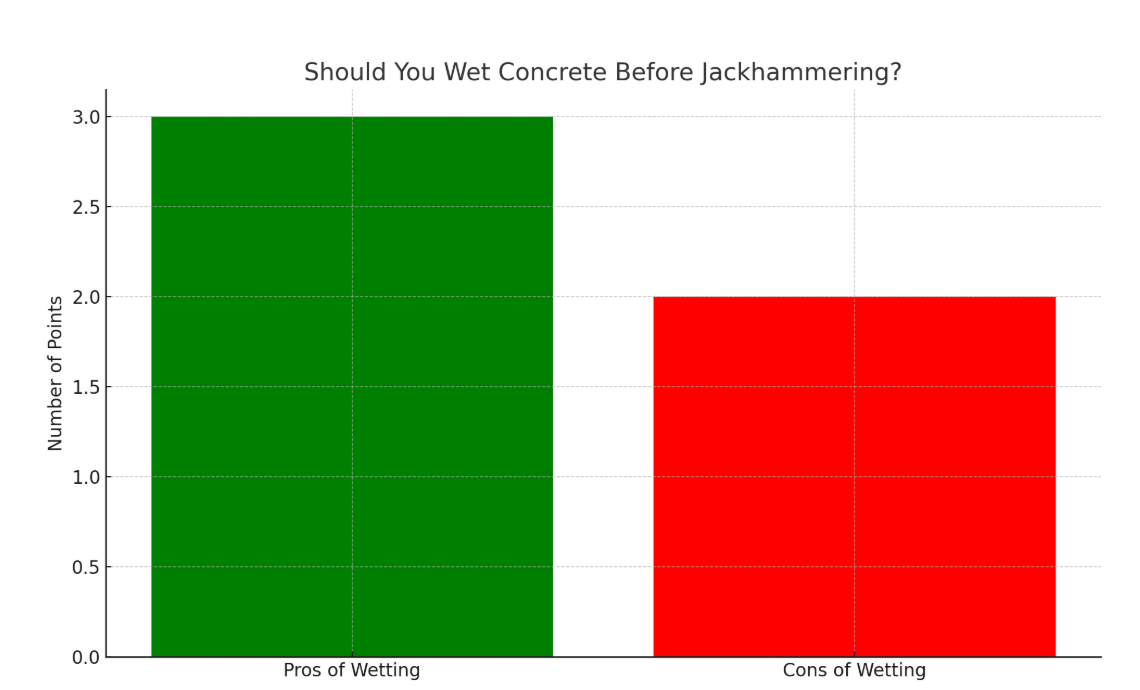
Wetting concrete before jackhammering can reduce dust, make breaking easier, and extend tool life. However, it introduces safety risks and requires proper water control. Consider the type of concrete and jackhammer before deciding to wet it. For smaller projects, like those using a corded demolition hammer, wetting is useful. For larger tasks, dust extraction systems may be better. Always follow safety precautions when working with water and power tools. Mingpu’s high-quality tools provide efficient, durable solutions for both DIY and professional projects.
A: Wetting concrete before using a jack hammer can reduce dust, make the material easier to break, and extend tool life. However, it requires careful water control and safety precautions.
A: Yes, wetting concrete can reduce friction, making it easier to break with a corded demolition hammer, but safety measures must be taken to avoid electrical hazards.
A: Wetting concrete reduces dust, which improves air quality, but it also introduces risks like water-related accidents and electrical hazards with your jack hammer or corded demolition hammer.
A: Wetting concrete can minimize friction, reducing wear and tear on the jack hammer or corded demolition hammer, potentially extending the tool’s lifespan.
A: If the concrete is already soft or thin, or if dust control isn’t a priority, wetting may not be necessary before using a jackhammer.


